
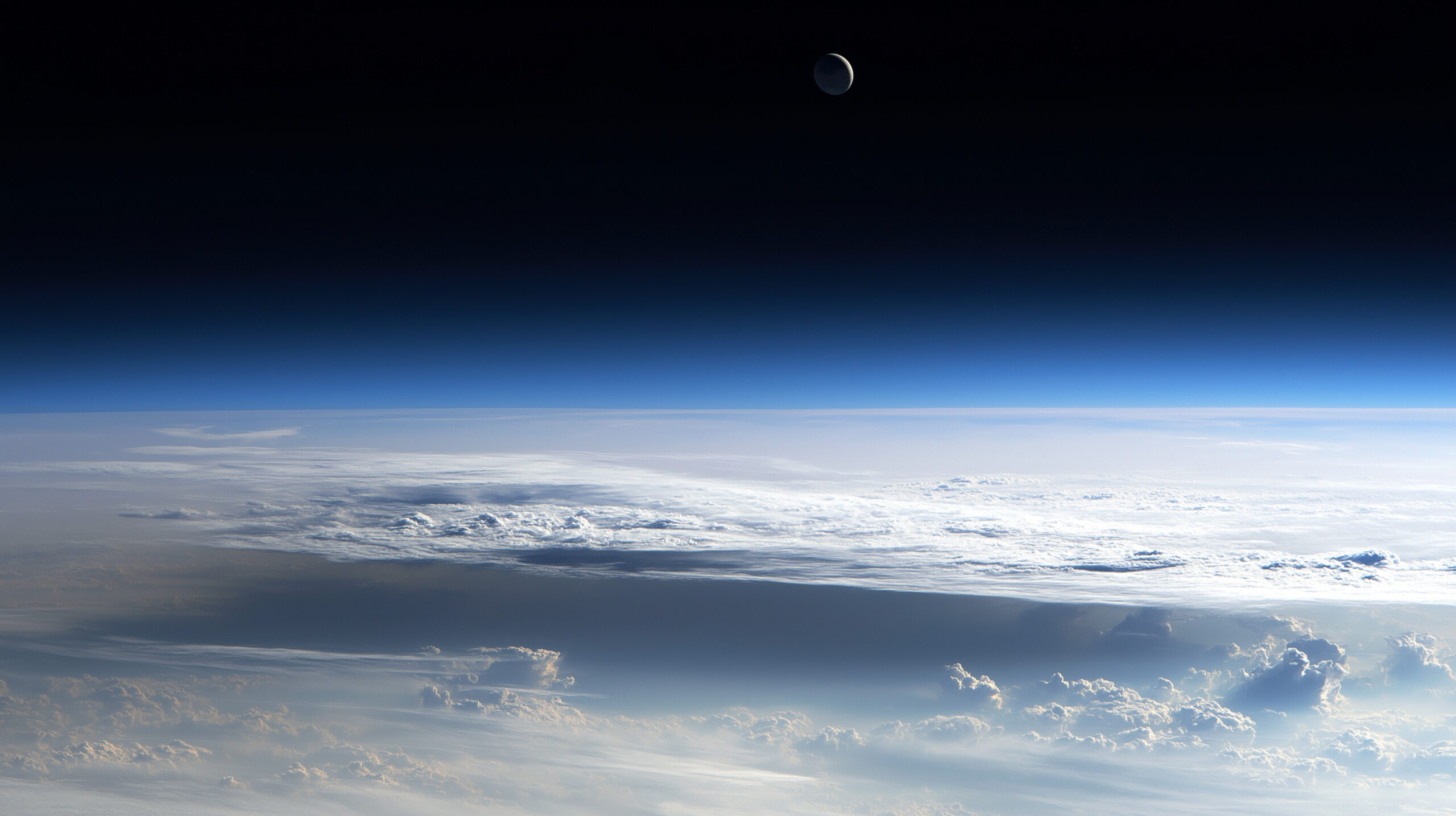
Today, 22 April, we are celebrating Earth Day worldwide. For me, as a long-standing computer graphics designer and VFX artist, this day is always an opportunity to reflect on my own career: I have visualised countless views of the Earth – for documentaries, for museums, for feature films.
But the deeper you delve into the subject, the clearer it becomes: the Earth is not an infinite resource.
From RAM limits to global scars
At the start of my career, the Earth was primarily a technical challenge. Trying to fit the immense level of detail of the Earth’s surface into the system’s memory regularly led to RAM issues. We fought for every megabyte to render continents and oceans in a realistic resolution.
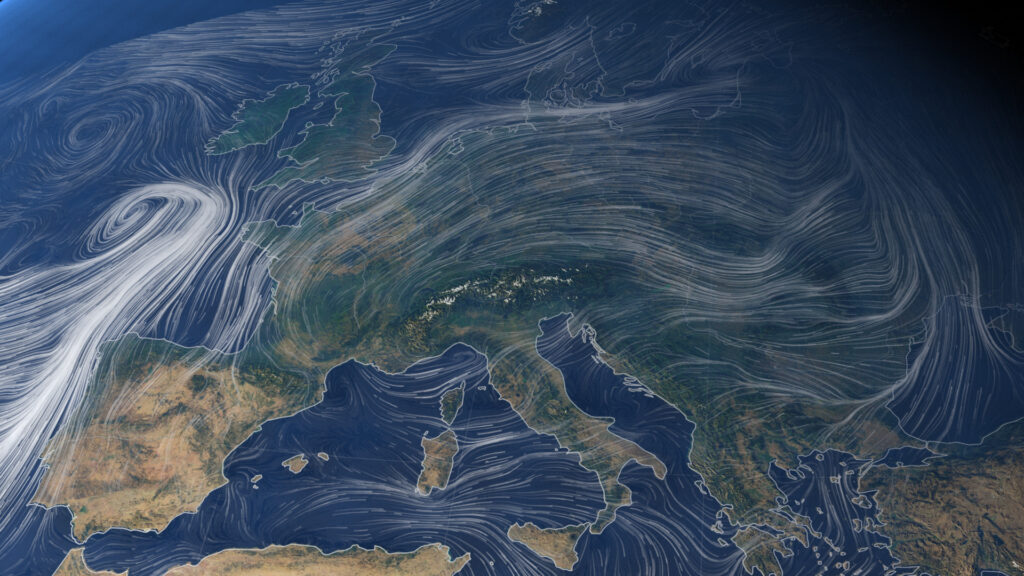
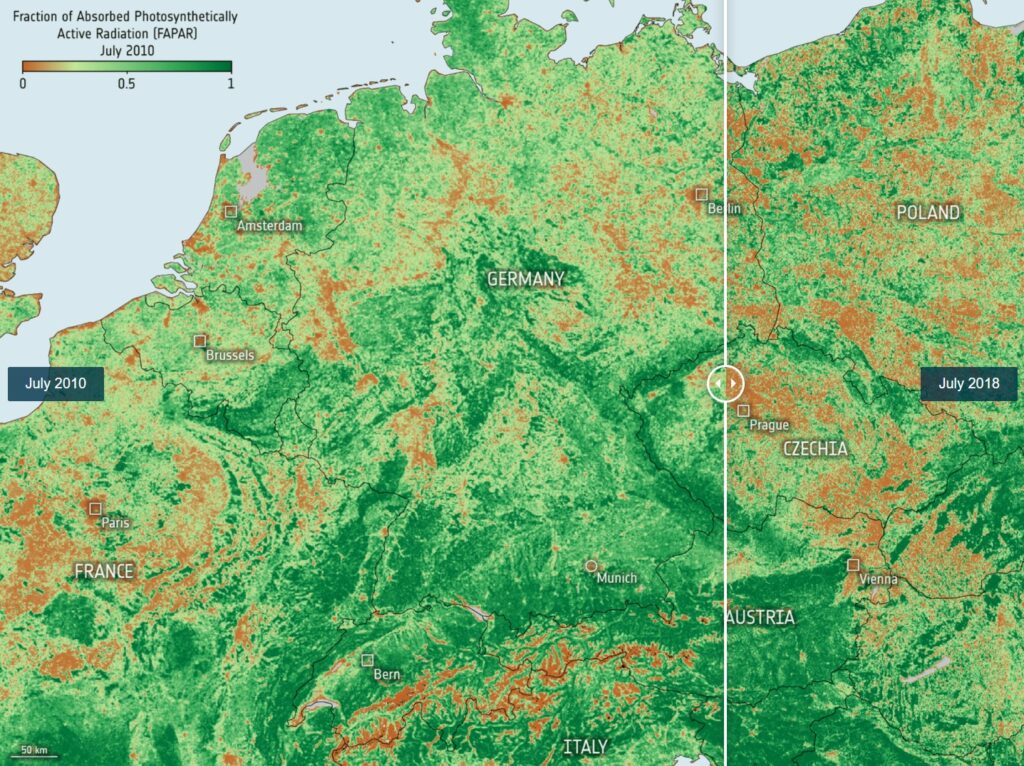
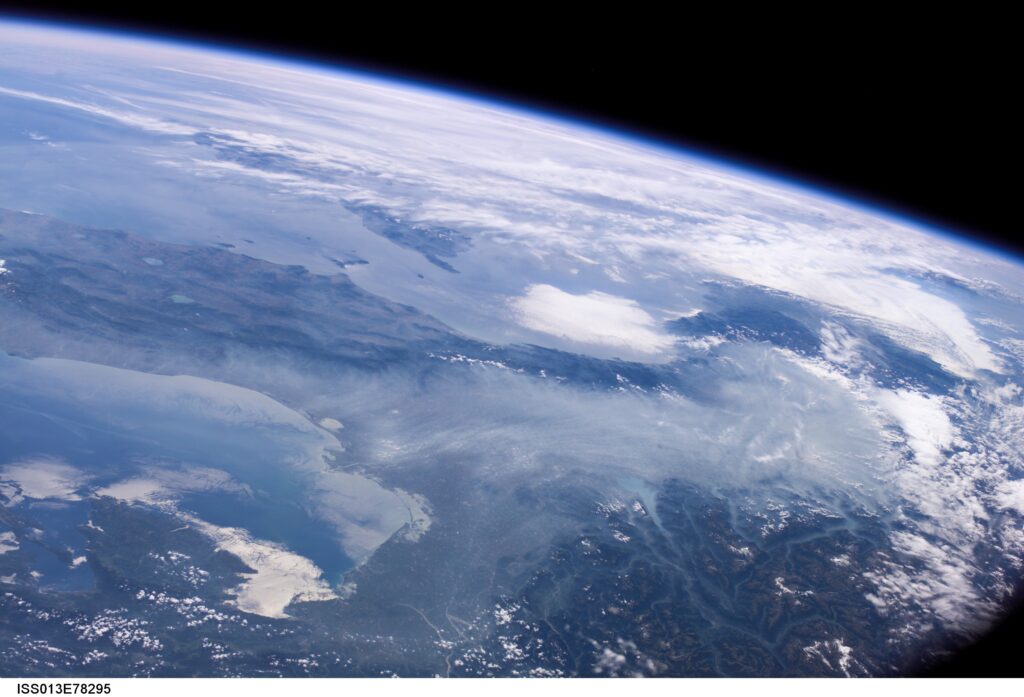
Over the years, my perspective has changed. Working with high-resolution satellite data – often going far beyond the level of research required for a project – made visualisation a lesson in humility for me. In the datasets I used for shader tests or simulations, I no longer saw just pixels, but the ‘scars’ of the planet. The ongoing deforestation of the rainforests and the massive sealing of land are no longer an abstract concept when viewed from orbit, but a visible reality.
Space-Tech Fact: Europe leads the way in Earth observation
What many people often overlook is that we in Europe are at the very source of this knowledge. Through the Copernicus programme, the European Space Agency (ESA) is a global leader in Earth observation. The Sentinel satellites now provide us with data on CO2 concentrations and greenhouse gases that are accessible to any citizen with an interest in science. This data is precise, impartial and shows us unequivocally where we stand.
The fight against disinformation
It is, however, a paradox: whilst our technological capabilities for analysis are growing, we are witnessing a regression in political and social terms. We are confronted with entrenched power structures and figures who discredit scientific facts.
Lobbying on behalf of outdated, harmful industries and targeted misinformation are undermining the protection of our very livelihoods. As someone who creates images for a living, I know how easily perceptions can be manipulated – yet the physical measurement data from climate research cannot simply be ‘shaded out’.
The selfish goal: to preserve the cradle
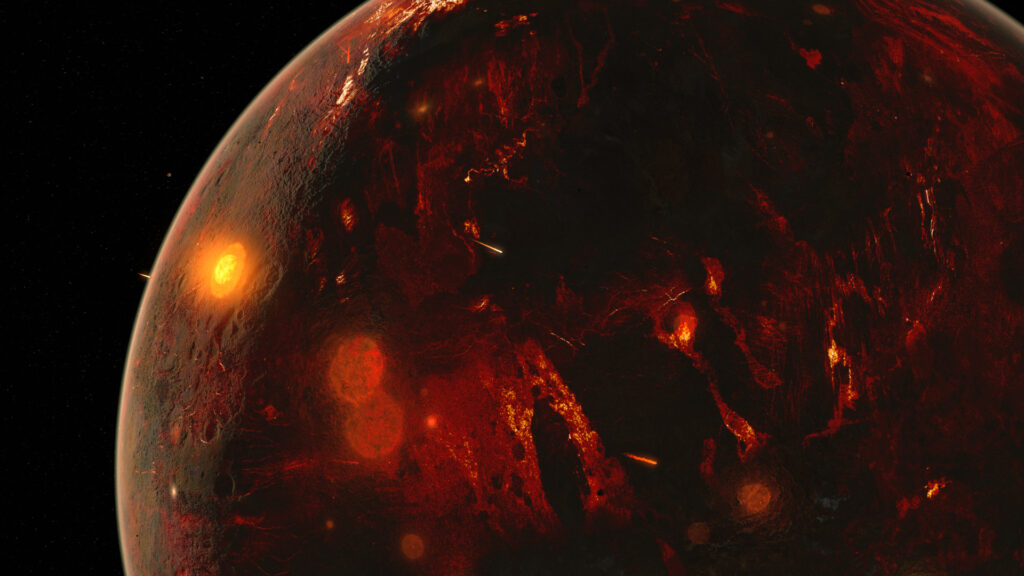
I’m a huge science fiction fan. The idea of a multi-planetary society – with vast space habitats and colonies on distant worlds – is a fascinating one. But the harsh reality is that we’re still a long way from achieving that.
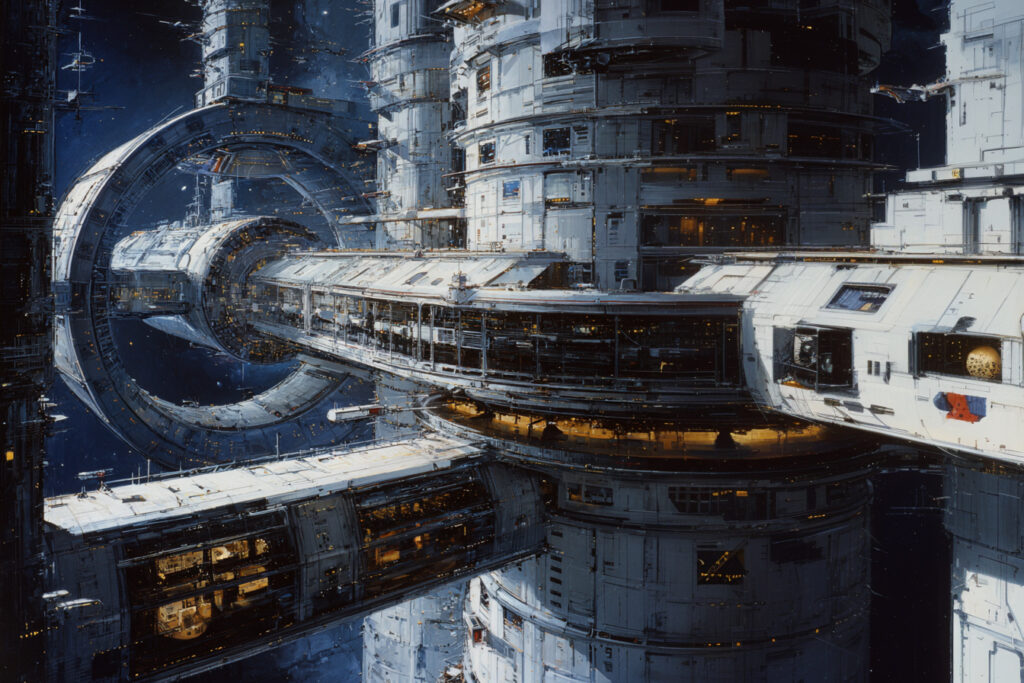
We must look after the Earth, if only out of sheer self-interest. If we destroy our ‘cradle’ before we have even learnt to walk, we will never reach the stars. We stand no chance of a future in space if we squander our present on Earth.
Let’s not just use today to look at pretty renderings, but to face the hard facts. We only have this one ‘dataset’. Let’s make sure it is preserved.
It is up to all of us to visualise, explain and protect the Earth – not just as graphic designers, but as human beings. Technology and science are there to help us. Let us use these tools to preserve our home.
Weitere Links:
- ESA – Earth Online: Information on Earth observation and satellite data
- IPCC (Weltklimarat): Latest reports on the state of the climate
- NASA – Climate Change: Vital Signs of the Planet
- Copernicus Climate Change Service: Global climate data and analyses
Leave a Reply